- Dispatched in 1–2 business days
- Delivery from £4.99
- Free 14-day returns
- Fitment checked by reg or VIN
VAG Cooling System Health: Preventing the Common "Milkshake" and Overheating
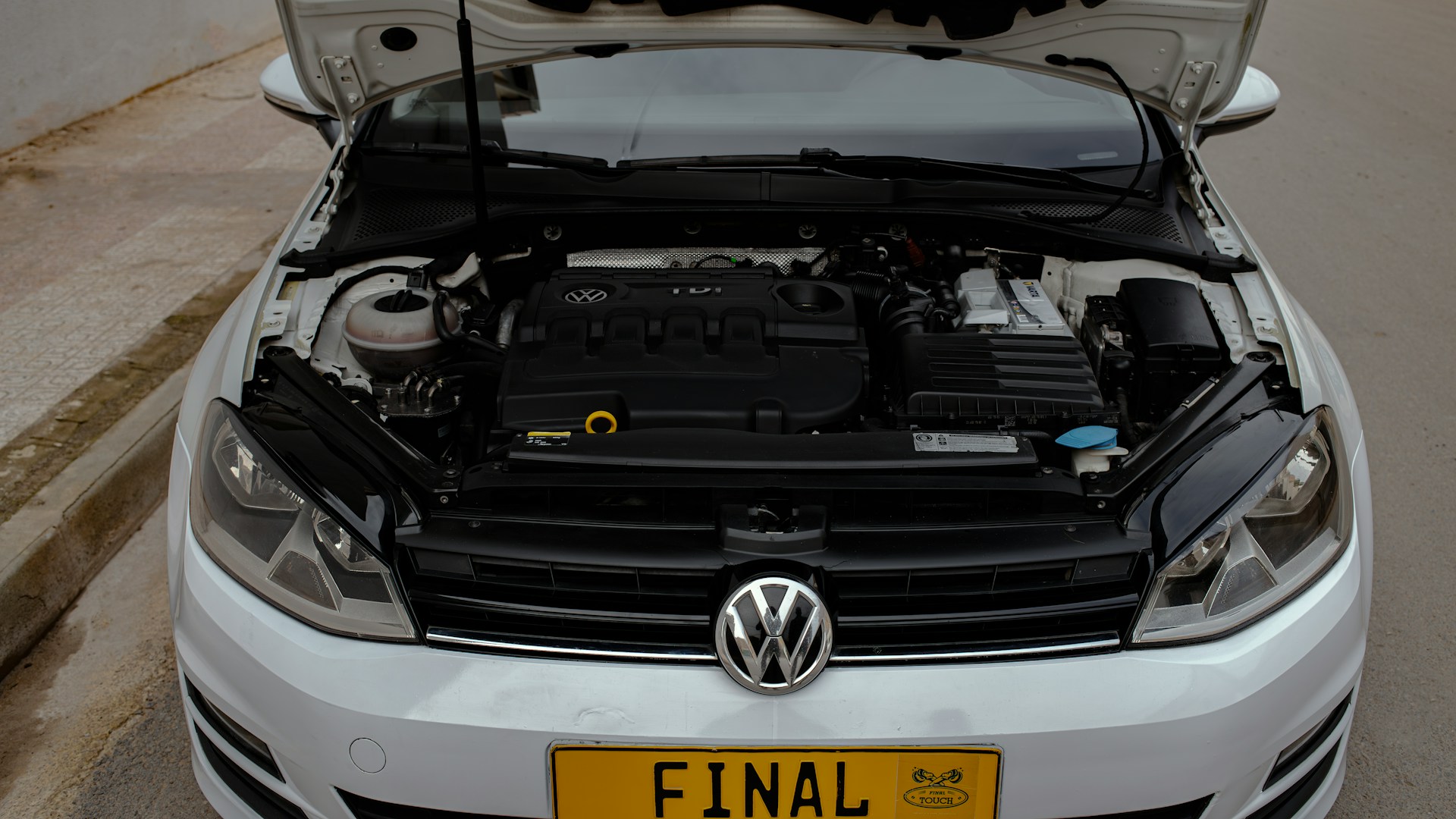
VAG Cooling System Health: Preventing the Common "Milkshake" and Overheating
A fully functioning cooling system for Volkswagen Group vehicles is one of the most important factors ensuring engine reliability and durability, and if this system malfunctions or fails, the consequences can be merciless for the engine. For example, engine overheating or the so-called "milkshake" effect, when the car's engine oil mixes with coolant, forming a thick, milky mixture in the cooling system.
Why does the "milkshake" effect occur?
The milkshake effect most often occurs when engine oil enters the cooling system and mixes with the coolant. In many VAG group engines, this happens when the engine oil cooler fails. Over time, the internal parts of this component lose their tightness, so the substances that should circulate in the engine in the opposite direction mix. One quality solution to this problem is the MAXGEAR 14-0007 Oil cooler. Replacing this part of the car, in most cases, solves the problem and restores proper cooling system operation.
Why does the engine start to heat up?
There are often cases when engines belonging to the VAG group start to heat up excessively, not because of a single malfunction, but because several malfunctions occur simultaneously. Over time, this combination of problems becomes serious. Coolant leaks, bubbles throughout the system, wear of hoses or plastic parts intended for coolant circulation due to constantly repeating heat cycles in the engine, and the coolant flange, which is the main component responsible for properly distributing coolant throughout the cooling system. Over time, this small but important component becomes quite fragile, increasing the risk of cracks and potentially requiring replacement. An excellent choice could be the 12406 Coolant flange part, which will undoubtedly help ensure completely smooth coolant circulation in the system.
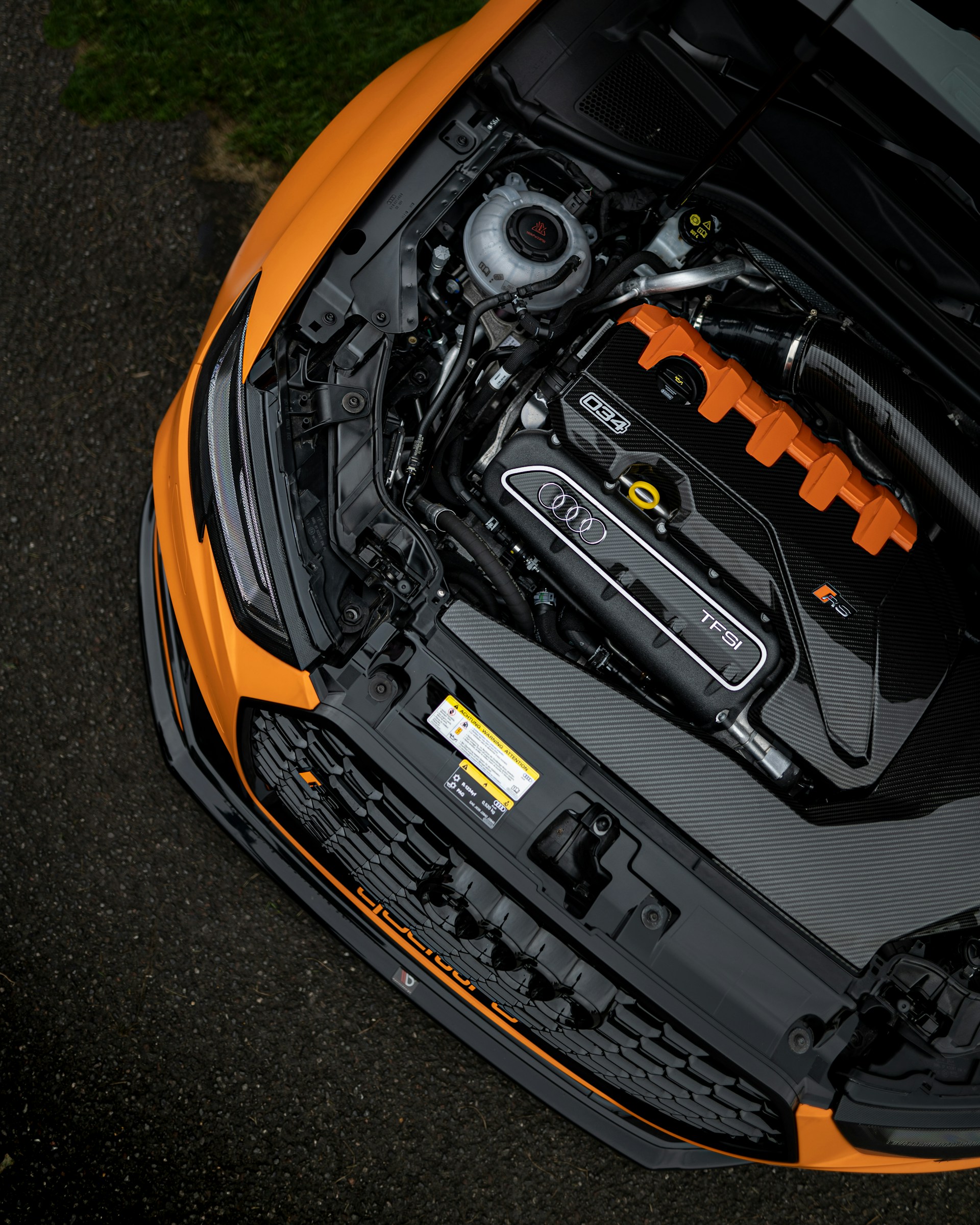
Engine overheating is also often caused by:
- Radiator contamination
- Thermostat-related problems
- Poorly functioning temperature sensors
- Water pump failure
- Coolant disappearing from the system due to leaks
It is not only the cooling system that affects it: the fluid itself also plays a role
It is no secret that coolant performs many functions beyond regulating engine temperature. First of all, this liquid component, which is vital to the engine, protects the entire system from corrosion, lubricates certain cooling system components, and prevents freezing during winter. Coolant that has become outdated and lost its properties can lose these properties, which is why various deposits, rust, and other contaminants can begin to accumulate in the system. For this reason, coolant needs to be replaced with a new one as a preventive measure, and an excellent choice is FEBI BILSTEIN 172019 Antifreeze, which is compatible with most VAG Group cars. Only regularly changed coolant can ensure and maintain these important properties, which are necessary for the proper functioning of the vehicle's engine.
Therefore, every driver of a VAG car should keep in mind that the cooling system is not eternal and pay closer attention to it during preventive maintenance. This will avoid not only the already mentioned "milkshake effect", but also other failures related to the entire cooling system.
Similar Articles



Article Categories
Explore Our Products
BLUE PRINT ADA103001 Clutch kit
Article number: ADA103001
£75.96
Price per item
VAT included
Delivery cost not included
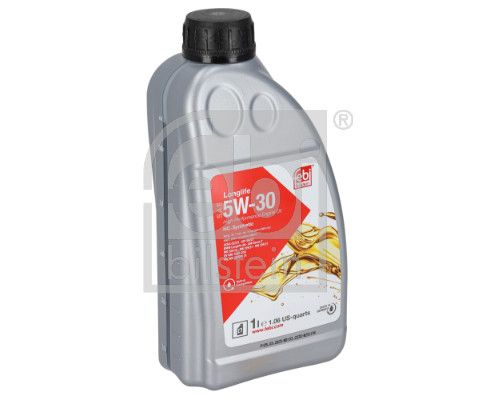
FEBI BILSTEIN 32941 Engine oil
Article number: 32941
£7.08
Price per item
VAT included
Delivery cost not included
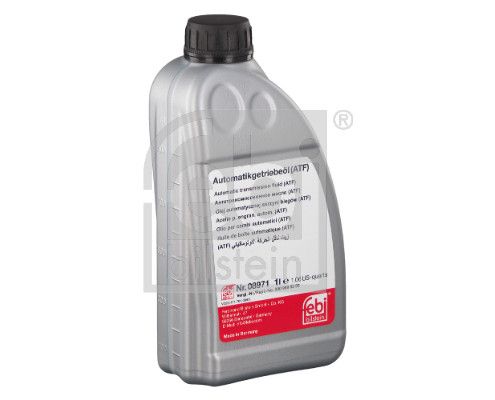
FEBI BILSTEIN 08971 Hydraulic oil
Article number: 08971
£6.20
Price per item
VAT included
Delivery cost not included
Get great deals on affordable spare car parts from the best manufacturers in our online shop





Be part of our community
Let’s become friends on Instagram, youtube or any other social platform and be first one who learns about tips and discounts

Featured Blogs
Volvo’s AWD system is valued for its precise performance, improving control and traction across various conditions. To ensure reliable operation, regular maintenance is essential to keep all drivetrain components in optimal condition.
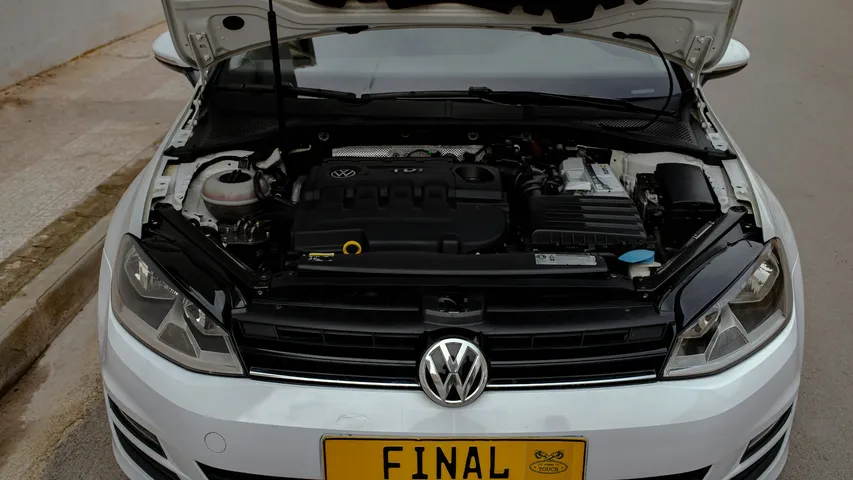
A fully functioning cooling system for Volkswagen Group vehicles is one of the most important factors ensuring engine reliability and durability, and if this system malfunctions or fails, the consequences can be merciless for the engine.
Rear Nissan drum brakes are often overlooked until performance drops. Learn how to spot early wear signs, restore braking efficiency, and keep your car safe with proper maintenance and key component checks.
Fiat power windows can suddenly jam, creak, or stop working completely. Learn the most common window regulator failure signs and how replacing the mechanism restores smooth operation.

A worn high-pressure fuel pump tappet can cause engine jerking, unstable fuel pressure, and even camshaft damage. Learn the warning signs before minor fuel system issues turn into costly repairs.
Toyota Yaris Hybrid misfires, rough idle, and sudden engine vibrations often point to fuel injector problems. Learn the key symptoms and how proper maintenance restores smooth hybrid performance.
Squeaking rear brakes and a high handbrake lever often signal worn drum components. Learn how to restore braking performance and fix handbrake issues with the right parts and proper repair.
Auxiliary battery failure can trigger multiple electrical faults, unstable voltage, and random system errors. Learn how to diagnose the issue and restore stability with the right components.
A/C blowing warm air or making noise? Learn how a faulty compressor clutch affects cooling and when to replace the clutch, compressor, or drive belt to restore proper performance.
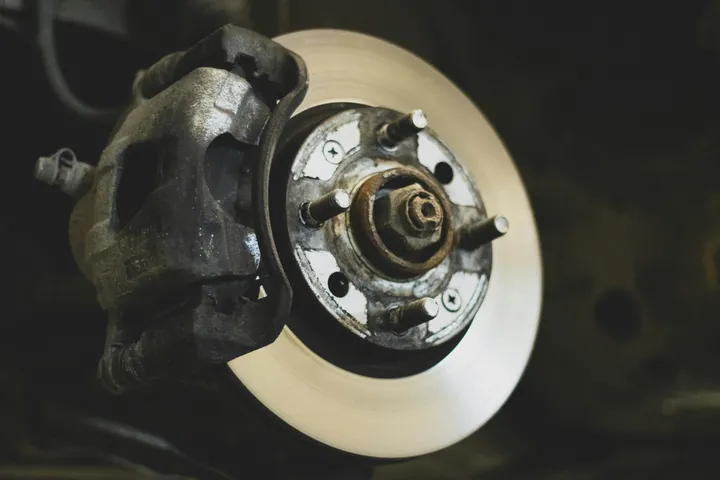
A sinking brake pedal is often a sign of a failing brake master cylinder. Learn how to restore hydraulic pressure, improve braking performance, and prevent further brake system wear with the right repairs.
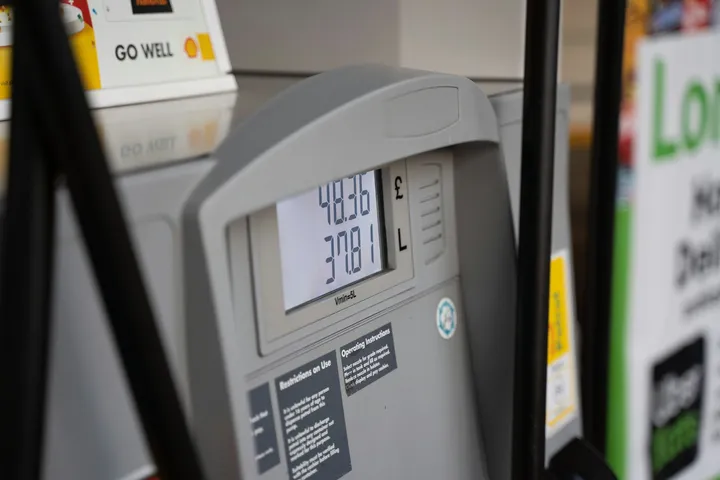
High fuel consumption and rough idling often point to a worn lambda sensor. Learn how to diagnose the problem and restore engine performance with the right oxygen sensor and supporting components.

Clutch slip, judder, and poor acceleration are common signs of clutch wear. Learn how replacing the clutch disc, slave cylinder, and flywheel bolts restores smooth power transfer in your Audi A1.
Subscribe Now
Get exclusive deals and updates directly to your inbox.