- Dispatched in 1–2 business days
- Delivery from £4.99
- Free 14-day returns
- Fitment checked by reg or VIN
High-Pressure Fuel Pump Tappet Failure Guide | Prevent Fuel System Damage

Preventing Catastrophe: The High-Pressure Fuel Pump Tappet
The high-pressure fuel pump tappet is a relatively small but incredibly important part of the entire fuel system. When many Volvo, Jaguar, Ford, and Land Rover car engines start to jerk and respond unevenly to accelerator pedal presses, or when fuel system-related error codes are detected during diagnostics, a worn high-pressure fuel pump tappet may be the cause. If you encounter this problem, you should definitely not ignore it, because a worn tappet can damage not only the fuel pump but also the camshaft.
What is a high-pressure fuel pump tappet?
The high-pressure fuel pump tappet is a mechanical component of the fuel system installed between the camshaft and the high-pressure fuel pump. The main job of this part is to transmit mechanical movement to the pump so that it can create the appropriate fuel pressure.
When the high-pressure fuel pump tappet operates properly, the fuel system maintains a stable fuel pressure, ensuring the engine receives a precisely metered amount of fuel. Meanwhile, as this important component wears out, engine performance deteriorates significantly, and the fuel pump begins to malfunction. Often, this is clearly felt by the engine's poor performance.
It is important that this car's malfunction not be ignored, because in many cases it can lead to the inevitable failure of other, much more expensive fuel system components.
The most common signs that indicate problems with the high-pressure fuel pump tappet:
- A noticeable decrease in the car's engine power
- The engine jerks
- The car responds poorly and sluggishly to accelerator presses
- Unstable engine operation and difficulties starting it
- Fuel pressure readings are unstable and fluctuating
All these symptoms indicate that the car's fuel system is no longer able to maintain stable fuel pressure independently.
Why can a worn tappet be dangerous for the camshaft?
The high-pressure fuel pump tappet is in direct contact with the camshaft surface. When the tappet wears out, the contact becomes uneven, often causing excessive friction. This damages the camshaft over time.
The consequences of this failure are no longer a simple fuel system failure. In short, a damaged component will inevitably lead to significantly higher, and sometimes even huge, fuel system repair costs, not only because of additional components but also because of dismantling the car engine.
Replacing the high-pressure fuel pump tappet should be considered preventive maintenance to help avoid high costs and maintain good fuel system performance. SCHAEFFLER INA 711 0308 10 high-pressure pump, with a tappet, is a high-quality, suitable choice when the main goal is to prevent more serious fuel system failures and restore proper contact between the camshaft and the high-pressure fuel pump.
Replacing the tappet alone may sometimes not be enough
If the first symptoms of a fuel system failure have already appeared, it is likely that replacing the tappet alone may not be enough. This means the component may be irreversibly worn out and may have already damaged other fuel system components.
So, if during the car repair it turns out the fuel pump is also damaged, it will inevitably have to be replaced. In this case, the HEPU HP5658 High-pressure pump is an excellent choice, which will help restore good fuel system operation.
Drivers also do not always appreciate the importance of the fuel pressure sensor. This element transmits all the most important information about the fuel pressure in the system to the engine control unit. Like other components, this part can also start to function inaccurately. If replacing the tappet and fuel pump did not solve the problem, the sensor should be replaced as well. In this case, one of the best choices is the BOSCH 0 261 545 038 fuel pressure sensor.
A new fuel pressure sensor will help restore accurate and realistic fuel system pressure data and maintain a perfectly functioning fuel system.
Similar Articles

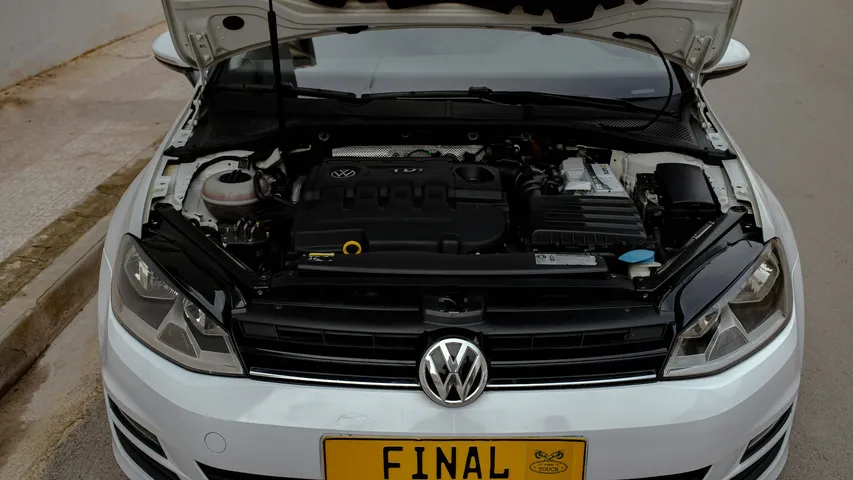


Explore Our Products
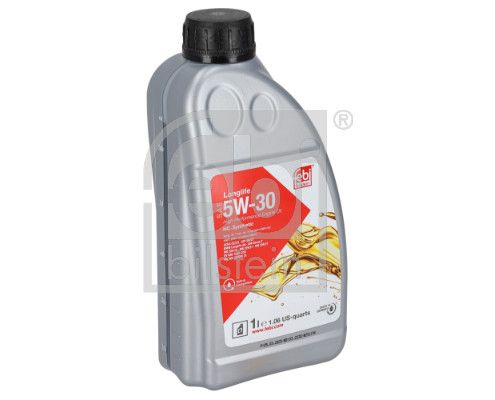
FEBI BILSTEIN 32941 Engine oil
Article number: 32941
£7.08
Price per item
VAT included
Delivery cost not included
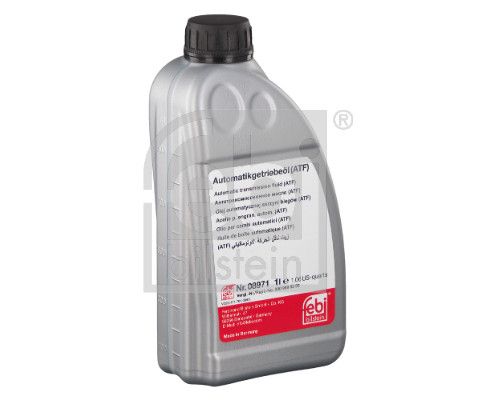
FEBI BILSTEIN 08971 Hydraulic oil
Article number: 08971
£6.20
Price per item
VAT included
Delivery cost not included
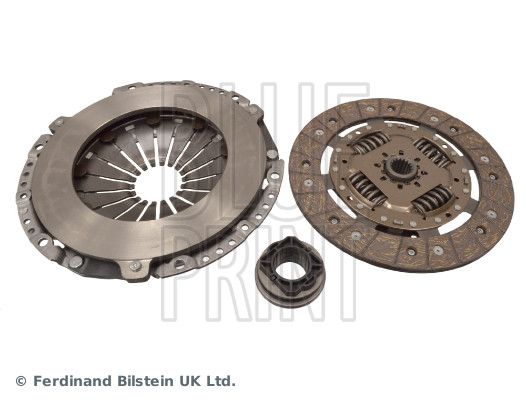
BLUE PRINT ADA103001 Clutch kit
Article number: ADA103001
£75.96
Price per item
VAT included
Delivery cost not included
Get great deals on affordable spare car parts from the best manufacturers in our online shop






Be part of our community
Let’s become friends on Instagram, youtube or any other social platform and be first one who learns about tips and discounts

Featured Blogs
Volvo’s AWD system is valued for its precise performance, improving control and traction across various conditions. To ensure reliable operation, regular maintenance is essential to keep all drivetrain components in optimal condition.
A fully functioning cooling system for Volkswagen Group vehicles is one of the most important factors ensuring engine reliability and durability, and if this system malfunctions or fails, the consequences can be merciless for the engine.
Rear Nissan drum brakes are often overlooked until performance drops. Learn how to spot early wear signs, restore braking efficiency, and keep your car safe with proper maintenance and key component checks.
Fiat power windows can suddenly jam, creak, or stop working completely. Learn the most common window regulator failure signs and how replacing the mechanism restores smooth operation.

A worn high-pressure fuel pump tappet can cause engine jerking, unstable fuel pressure, and even camshaft damage. Learn the warning signs before minor fuel system issues turn into costly repairs.

Toyota Yaris Hybrid misfires, rough idle, and sudden engine vibrations often point to fuel injector problems. Learn the key symptoms and how proper maintenance restores smooth hybrid performance.
Squeaking rear brakes and a high handbrake lever often signal worn drum components. Learn how to restore braking performance and fix handbrake issues with the right parts and proper repair.
Auxiliary battery failure can trigger multiple electrical faults, unstable voltage, and random system errors. Learn how to diagnose the issue and restore stability with the right components.

A/C blowing warm air or making noise? Learn how a faulty compressor clutch affects cooling and when to replace the clutch, compressor, or drive belt to restore proper performance.
A sinking brake pedal is often a sign of a failing brake master cylinder. Learn how to restore hydraulic pressure, improve braking performance, and prevent further brake system wear with the right repairs.

High fuel consumption and rough idling often point to a worn lambda sensor. Learn how to diagnose the problem and restore engine performance with the right oxygen sensor and supporting components.

Clutch slip, judder, and poor acceleration are common signs of clutch wear. Learn how replacing the clutch disc, slave cylinder, and flywheel bolts restores smooth power transfer in your Audi A1.
Subscribe Now
Get exclusive deals and updates directly to your inbox.