- Dispatched in 1–2 business days
- Delivery from £4.99
- Free 14-day returns
- Fitment checked by reg or VIN
Rear Drum Brake Repair: Fix Squeaks & Handbrake Issues (Polo III)
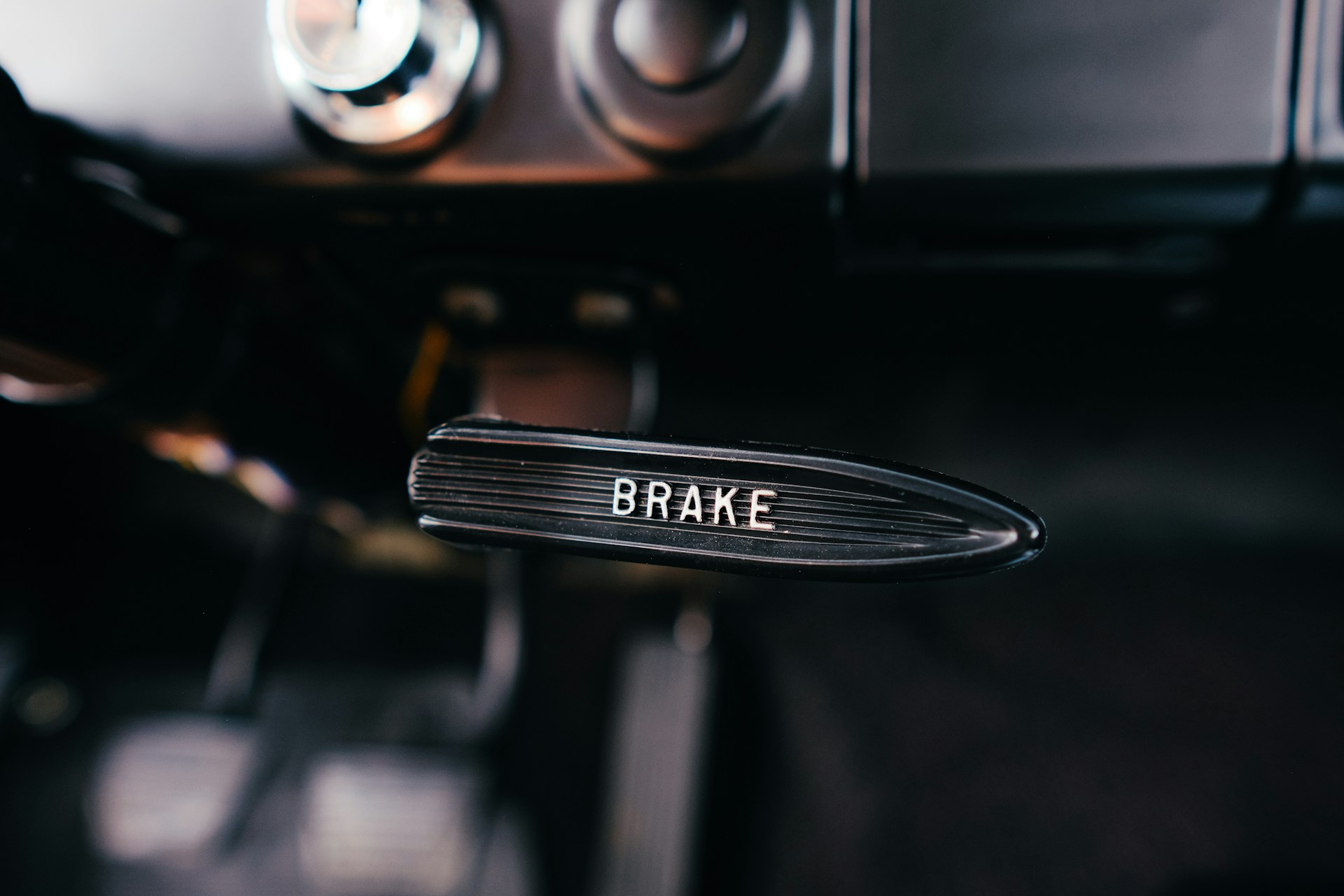
Overhauling Rear Drum Brakes: Eliminating Squeaks and Improving Handbrake Response
If the rear brakes of your Volkswagen Polo III have started to squeal, and you have to raise the handbrake lever higher and higher, most likely the parts of the drum mechanism have worn out. The problem may be simpler, for example, a stuck cable. However, when weaker braking occurs at the same time or one rear wheel starts to heat up, adjustment alone is no longer enough.
Rear drum brakes are used not only for braking the car while driving. The handbrake also works through them. As a result, worn pads, a damaged drum or a cable that no longer moves often cause several symptoms at once.
Why do drum brakes start to squeal?
Squealing usually occurs when the pads' surface hardens, and brake dust accumulates inside the drum. It can be worse. When the wheel cylinder starts to leak, it contaminates the pads with brake fluid, reducing their friction and causing uneven braking.
In this case, replacing old springs, pads and cylinders separately is not always cost-effective. The pre-assembled MAXGEAR 19-5647KIT Brake shoe set allows you to update the main parts of the rear drum mechanism in one repair. This is especially convenient when the old springs are already rusted, and the adjustment elements are difficult to move.
When do you also need to replace the brake drums?
New pads will not work well if the drum's inner surface is scratched or deformed. Sometimes, a pronounced wear edge has already formed in the drum. Then the pads do not adhere evenly to the surface, jerking is felt when braking, and their wear begins again.
VAICO V10-60008 Brake drum is suitable for such repairs. This is a four-hole rear brake drum for the relevant Polo III versions. It is worth replacing the drums on both sides of the rear axle. This way, the braking force remains more uniform, and the new pads wear similarly.
What to check:
- Check the brake shoes
- Look for fluid leaks
- Inspect the wheel cylinder
- Check the drum surface
- Look for grooves or wear edges
- Replace both drums if needed
- Check the handbrake cable
- Do not only tighten the cable
- Adjust the mechanism after repair
- Test both rear wheels
Why does the handbrake lever rise too high?
Excessive handbrake lever travel often indicates that the pads are already worn out or the cable has lost the required tension. It does not necessarily just stretch. If moisture gets into the protective sheath, the cable starts to rust and no longer moves freely.
Then one side can relax more slowly. After driving, the drum heats up, and the car still has poor grip on the slope.
NK 904783 Cable pull, parking brake helps restore proper handbrake operation when the old cable has already stretched or started to jam. Simply tightening it is not a good solution. Too much tension may prevent the pads from fully retracting.
When is it necessary to renew the entire mechanism?
The entire rear drum brake mechanism should be renewed when there is a squeaking sound, a high handbrake lever stroke and uneven braking of the rear wheels. In this case, replacing one part usually only postpones the problem.
A new set of pads, neat drums and a freely moving cable restore not only the operation of the handbrake. The overall braking of the rear axle also improves. After repair, the mechanism must be properly adjusted, and the operation of both rear wheels checked.
Similar Articles

Article Categories
Explore Our Products
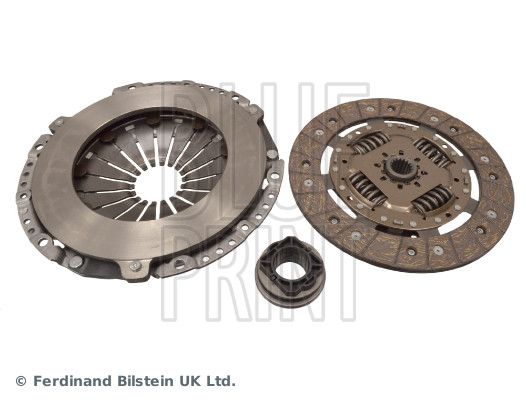
BLUE PRINT ADA103001 Clutch kit
Article number: ADA103001
£76.30
Price per item
VAT included
Delivery cost not included
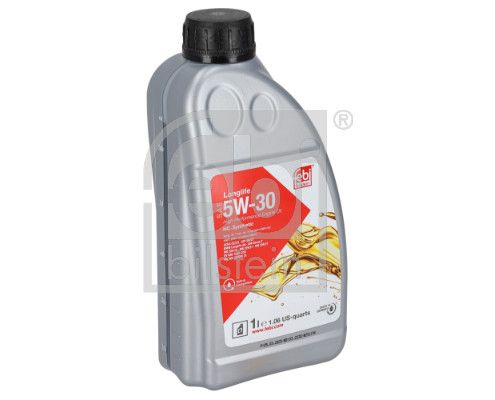
FEBI BILSTEIN 32941 Engine oil
Article number: 32941
£7.11
Price per item
VAT included
Delivery cost not included
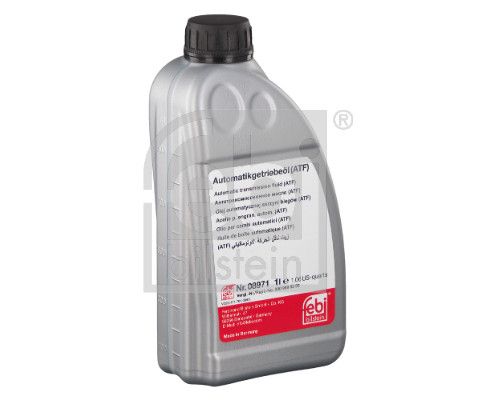
FEBI BILSTEIN 08971 Hydraulic oil
Article number: 08971
£6.23
Price per item
VAT included
Delivery cost not included
Get great deals on affordable spare car parts from the best manufacturers in our online shop






Be part of our community
Let’s become friends on Instagram, youtube or any other social platform and be first one who learns about tips and discounts

Featured Blogs
Volvo’s AWD system is valued for its precise performance, improving control and traction across various conditions. To ensure reliable operation, regular maintenance is essential to keep all drivetrain components in optimal condition.
A fully functioning cooling system for Volkswagen Group vehicles is one of the most important factors ensuring engine reliability and durability, and if this system malfunctions or fails, the consequences can be merciless for the engine.
Rear Nissan drum brakes are often overlooked until performance drops. Learn how to spot early wear signs, restore braking efficiency, and keep your car safe with proper maintenance and key component checks.
Fiat power windows can suddenly jam, creak, or stop working completely. Learn the most common window regulator failure signs and how replacing the mechanism restores smooth operation.
A worn high-pressure fuel pump tappet can cause engine jerking, unstable fuel pressure, and even camshaft damage. Learn the warning signs before minor fuel system issues turn into costly repairs.
Toyota Yaris Hybrid misfires, rough idle, and sudden engine vibrations often point to fuel injector problems. Learn the key symptoms and how proper maintenance restores smooth hybrid performance.
Squeaking rear brakes and a high handbrake lever often signal worn drum components. Learn how to restore braking performance and fix handbrake issues with the right parts and proper repair.
Auxiliary battery failure can trigger multiple electrical faults, unstable voltage, and random system errors. Learn how to diagnose the issue and restore stability with the right components.
A/C blowing warm air or making noise? Learn how a faulty compressor clutch affects cooling and when to replace the clutch, compressor, or drive belt to restore proper performance.
A sinking brake pedal is often a sign of a failing brake master cylinder. Learn how to restore hydraulic pressure, improve braking performance, and prevent further brake system wear with the right repairs.
High fuel consumption and rough idling often point to a worn lambda sensor. Learn how to diagnose the problem and restore engine performance with the right oxygen sensor and supporting components.
Clutch slip, judder, and poor acceleration are common signs of clutch wear. Learn how replacing the clutch disc, slave cylinder, and flywheel bolts restores smooth power transfer in your Audi A1.
Subscribe Now
Get exclusive deals and updates directly to your inbox.